Nigeria surprises those who believe that leadership implies duty. You're watching a government hold an economic summit in a state grappling with security concerns. Then you see who gets invited to headline: the former British Prime Minister arrives to applause, photo ops and VIP escorts.
This spectacle passes for strategic governance. The actual benefits remain unclear.
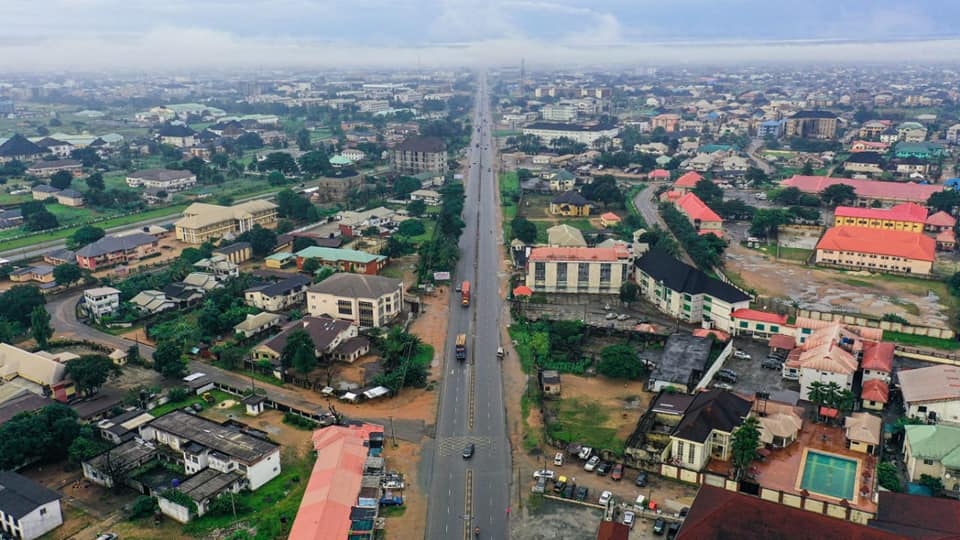
The recent IMO State Economic Summit 2025 had Boris Johnson as a featured guest. Britain got off the plane, looked around and said it felt perfectly safe in Nigeria, dismissing global reports warning of serious insecurity. He praised the performance of the IMO governor in infrastructure, electricity and innovation for young people. Foreign direct investment (FDI), he assured, would come.
This show was not designed for citizens who line up daily to mourn kidnappings, inflation and school closures. He targeted Western investors who judge countries by the smiles of visiting dignitaries. This helped the governor emerge as a global statesman.
He presented Imo as a refuge while many residents still live in fear and fear. The nation was asked to celebrate because a UK resident said our streets felt safe. No evidence of improved security. Only validation imported!
During that same summit, Johnson joked that Nigeria was exporting talent, tech geniuses, oil and gas while importing former prime ministers, pharmaceuticals, bankers and whiskey from the West. A few laughed. Others gritted their teeth. The phrase captured our tragedy more than Johnson intended. Nigeria exports its best minds and richest resources. Nigeria imports its conscience.
The purpose of such events has become painfully obvious. If a foreign leader praises the governor, investors might follow him. If a foreign newspaper publishes flattering photos, the world might forget about corruption and violence. This is not a development strategy. It's a creative direction. The goal is optics, because optics replace results.
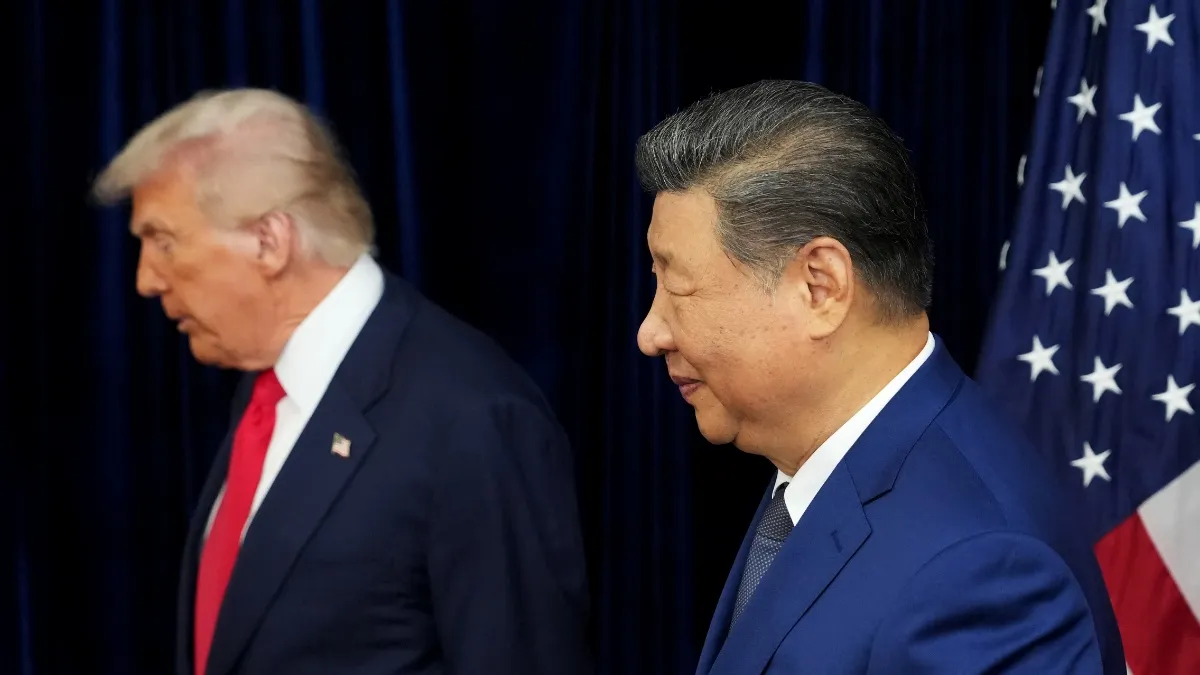
Meanwhile, in Abuja, the selection of the new defense minister revealed another layer of this identity insecurity. Senate President Godswill Akpabio cautioned the candidate with a comment that deserves a place in Nigeria's museum of embarrassment. Even Donald Trump is on our neck. He explained that global concerns require senators to ask difficult questions.
What exactly is hanging over the Senate's neck? Lives lost in communal attacks. The thousands of people displaced by the insurgents. Schoolchildren sleeping in the forests tonight. No. The pressure comes from an American president who has no role in Nigerian governance. We are not accountable to the Nigerian people. We are responsible to anyone who tends to Washington.
The Nigerian Constitution states that public officials swear to ensure the welfare and security of citizens.
This oath is placed under our leaders. However, the fear of a foreign politician dominates them. The guardians of a sovereign nation do not tremble before the suffering of their people. They tremble at the thought of a stranger watching them fail.
This is the new theology of power. They look towards the hills. Their help does not come from Zion. Their help comes from Washington.
Nigerian leaders embrace foreign concerns as motivation. They are proud of foreign applause. They accept foreign humiliation as a joke to laugh with. In doing so, they turn the country into a stage designed to impress onlookers rather than serve its citizens.
Foreign politicians help to embellish our struggles so that they seem less real. In Owerri, insecurity has become a pattern. In Abuja, national defense became a topic of discussion to appease the American media cycle. Both events served Western perception ahead of Nigerian reality.
We claim that progress takes shape when someone who has governed Britain visits us and smiles. We argue that accountability exists when a senator fears what a foreign media might write. Build roads for the cameras. Lobbying ministers for CNN. Governance has become a spectacle intended for a foreign audience. People in difficulty are given a supportive role. Their applause is unnecessary.
Nigeria has rich human capital. Yet our leaders behave as if they are auditioning. Each foreign guest becomes a judge. Each summit becomes a track. All politics becomes a plea for recognition. Instead of developing strength, they crave approval. Instead of securing communities, they secure topics for discussion.
True development is not achieved by charter flight. It starts when leaders stop treating citizens as background accessories. It grows when government actions respond to cries from hospitals, farmlands and classrooms. It takes courage to solve problems without looking over the shoulder of the West.
Decolonization begins in the mind. The most dangerous colonizer today is not a foreign nation. It is the belief that Nigerian competence is foreign and that Nigerian dignity is negotiable. It's the idea that ordinary Nigerians are too ordinary to deserve excellence unless a foreigner first gives them a grade.
When will Africa stop exporting its dignity and importing its conscience? When will leaders stop chasing selfies with visiting VIPs and start ensuring security, electricity and justice for real? When will responsibility to Nigerians outweigh concern over Western perception? Our systems will only grow when our pride grows. Our security forces will only concentrate when the fear of our people's anger outweighs the fear of foreign reprimands.
This country has warriors in its history, innovators in its streets and survivors in its villages. They all deserve leaders who act for them, not leaders who view governance as an audition to gain outside approval.
If Nigeria wants to be respected, leaders respect Nigerians. If Imo wants economic growth, secure the people of Imo.
If the Senate wants credibility, serve the nation that pays its salaries. Stop treating every political act as a formal request for validation.
Ukoh, an alumnus of the American University of Nigeria, Yola, and a doctoral candidate at Columbia University, wrote from New York.